
Demo Pirots 3: Practice Calmly In Canada
Available in Canada for adult players, the free-play version helps you learn the flow, set limits, and stay calm in 2026.

Pirots 3 Demo Play: Start With A Routine
A practice session works best when you treat it like a small plan, not a random scroll. Picture this: you open the game after a long day, you say “just a minute,” and suddenly you’ve clicked through a bunch of screens without actually understanding what changed. That’s not a learning session - that’s noise. Give yourself a clean start: one device, one quiet window of time, and a simple goal like “learn the controls” or “test the pace.”
Before you spin anything, do a quick environment check. If you’re on mobile, turn off distractions and stabilize the connection. If you’re on desktop, close the extra tabs that tempt you to multitask. Most people think they’re good at juggling, but in fast rounds, juggling turns into misclicks. This is adult-only entertainment, so the best move is to protect your attention first, then play.
Now set one boundary. Not a vague “I’ll stop later,” but a real limit you can respect: ten minutes, or a fixed number of rounds. Imagine you set a timer and it rings while you’re still curious - that’s a perfect training moment. You stop anyway, because that’s exactly how you keep the game recreational instead of sticky.
Pirots Demo 3: What To Watch In The First 10 Minutes
The first ten minutes tell you how the game feels on your screen, not how “lucky” the session is. Imagine you’re playing on your phone with one hand and your thumb keeps hovering over two buttons that sit too close together. That’s a practical issue, not a personal flaw, and demo mode is where you spot it without consequences.
Watch three things: readability, pace, and your own behavior. Can you read the key info without squinting? Do rounds resolve so quickly that you start clicking on autopilot? Do you speed up after a couple of dull spins, just to “get to something”? Those patterns matter more than any single outcome.
Also test the settings intentionally. Change one thing, play a few rounds, then change it back. If you change everything at once, you’ll never know what helped. A calm comparison is how adults keep control - it’s not dramatic, it’s just practical.
Pirots 3 Demo Bonus Buy: When To Use It And When Not To
Feature purchase options can feel like a shortcut, but they also change your mindset. Imagine you’re testing and you think, “I’ll just jump to the fun part,” and suddenly you’re no longer learning pacing - you’re chasing a specific moment. That’s fine as a controlled experiment, but it shouldn’t be your default.
Use it like a lab tool. Try it once to understand what the bonus sequence looks like and how it affects volatility, then step back and compare it with normal play. If you notice it makes you impatient with regular spins, that’s a sign to keep it as an occasional test, not a habit. In adult play, anything that pushes you toward impulsive decisions deserves a second thought.
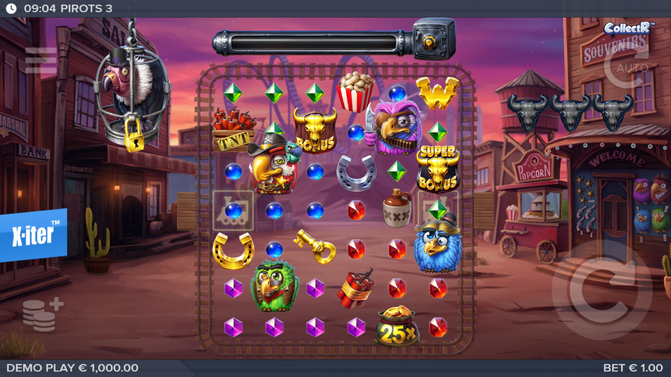
Top casinos for playing Pirots 3 — current list





Play Pirots 3 Demo: From Curiosity To Control
Most people approach a demo like a trailer: quick, flashy, and forgettable. A better approach is to treat it like a test drive. Imagine you’re considering real stakes later this week. You don’t need hype - you need answers: does the game suit your tempo, does it feel comfortable on your device, and can you stop cleanly when you said you would?
Start by separating “learning” from “entertainment.” In the learning phase, you slow down on purpose. You read the screen, you notice how often small wins appear, and you observe how you react when nothing happens for a while. Some players get bored and speed up. Others get stubborn and keep going to “force” a moment. Demo mode shows you which one you are, without punishing you for it.
Then build a simple routine you can reuse later. Here’s a realistic one: five minutes to explore the interface and settings, five minutes of normal spinning with a steady pace, then stop. Yes, stop even if you’re curious. Imagine you end the session while you still feel fine - that’s the best ending, because it proves you can leave on your own terms.
Now test your “tilt signals.” Tilt doesn’t always look like anger; sometimes it looks like quiet impatience. Picture yourself clicking faster because you want the round to finish, not because you’re enjoying it. That’s the moment to take a pause. Stand up, look away, drink water, then decide if you actually want to continue. Adults don’t force entertainment. They choose it.
If you plan to move to money play later, don’t switch modes in the same emotional state. Imagine you’ve been testing for a while, you’re slightly restless, and you think, “I’ll deposit now so it feels real.” That’s a bad bridge. A cleaner bridge is: demo today, real session tomorrow, with a fresh mind and a clear budget. The gap between free-play and real play is mostly emotional, and you manage it by planning, not by courage.
Finally, remember why age restrictions exist. This kind of platform is meant for adults operating within applicable rules and controlled access. That means the responsibility is shared: the platform provides tools, and you decide how to use them. If you set limits and respect them during the demo, you’re already doing the hardest part - training your behavior.
Pirots 3 Slot Demo: Mobile Versus Desktop
Device choice quietly changes how you play. Imagine you’re on mobile in a noisy place: you tap faster, you read less, and you’re more likely to slip into autopilot. The same game can feel “more intense” simply because your environment is chaotic.
Desktop usually gives you more space, clearer text, and fewer accidental taps. If your goal is to learn calmly, desktop is often the better first stop. But if you know you’ll mostly play on mobile, you should test on mobile too - just do it deliberately: stable connection, notifications off, and a timer that forces a clean stop.
Try a quick comparison session. Ten minutes on desktop, then ten minutes on mobile on a different day. Most adults immediately notice where they make fewer mistakes. Choose the device that supports control, not the device that makes it easiest to drift.
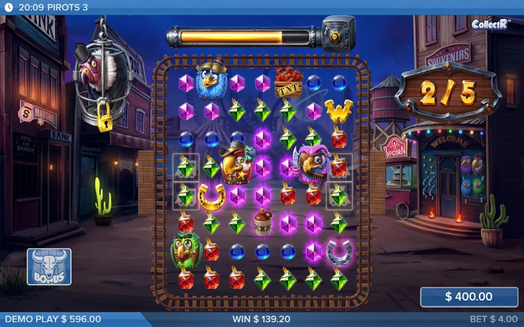
Pirots 3 Demo Bonus: Practice Offers Without Hype
Bonuses in demo mode can be useful, but only if you treat them as information, not a promise. Imagine you see a banner and your brain instantly jumps to “this will make the session better.” Sometimes it will feel better, sometimes it won’t, but the important part is how it changes your behavior. Does it make you rush? Does it make you stay longer than planned? Does it make you ignore your own budget rules because “it’s a promo”?
A smart way to use demo bonuses is to focus on mechanics. What conditions tend to trigger a feature? How long does a bonus sequence last? Does the pace speed up in a way that makes you click without thinking? Those are the practical questions. You’re learning whether the game fits your style, not trying to beat the game.
Keep your expectations grounded. In gambling, outcomes fluctuate. Imagine you hit a fun sequence early and you start believing it will happen often. That’s a classic setup for disappointment later. Demo mode is where you can correct that thinking gently: you enjoy the moment, then you return to your routine and stop on time.
If you’re planning a real session later, treat promos as optional. Adult players do better when they choose offers that match their normal pace, not offers that push them to play longer. The moment a bonus feels like pressure, it stops being a bonus and becomes a nudge. Your job is to notice that nudge and step back.
Deposits And Cashouts In Canada: Know The Flow
Even if you’re here for a no-risk session, it’s smart to understand the money flow before you ever add funds. Imagine you have a good evening later on, you decide to deposit, and you realize you don’t know where to check status or what “pending” really means. That uncertainty turns a normal process into stress, and stress leads to rushed clicks.
Think in stages, not buttons. A deposit is a request, a confirmation, and a recorded entry in your history. A withdrawal is similar: request, review, processing, completion. Timing can depend on the method you use and on account checks. The adult approach is to track, wait, and avoid repeated attempts when something takes time.
One more practical note: keep your account details consistent and current. Imagine you changed your phone number months ago and forgot to update it. The first time a confirmation is needed, you’re stuck. That’s not bad luck - it’s a missing step. Update early, not when you’re impatient.
What To Check | Why It Matters | What To Do Before Confirming | Sign You’re Managing It Well |
Payment Method | Reduces errors and extra steps | Start with a familiar option | You rarely switch methods |
Amount And Currency | Prevents impulsive confirmations | Read the final screen slowly | No duplicate requests |
Transaction History | Shows real status | Check it after each action | You always know the stage |
Account Details | Helps confirmations arrive | Keep contact info updated | Fewer surprise interruptions |
Personal Limits | Protects budget and time | Set caps before funding | Sessions stay short and clean |
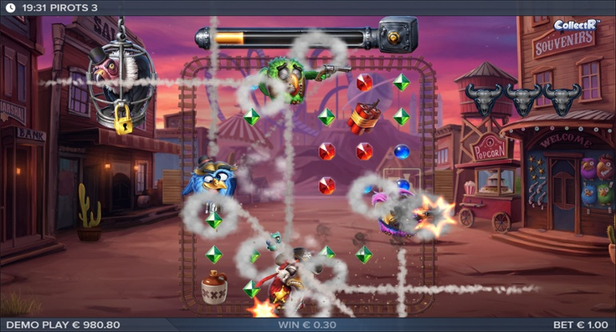
Responsible Tools And Session Limits
Responsible play is mostly about structure, not willpower. Imagine you sit down tired and tell yourself you’ll “see how it goes.” That’s when sessions stretch, because your brain wants comfort and stimulation, not discipline. The fix is simple: time cap, budget cap, and a planned break. These aren’t punishments - they’re guardrails that keep adult entertainment from becoming a messy habit.
Use a timeout when you feel your pace speeding up or your attention slipping. If you ever notice you’re playing to change your mood rather than to enjoy the game, that’s your cue to stop. Self-exclusion tools exist for longer breaks when you want real distance. Choosing them is not a loss. It’s an adult decision to protect your time and your finances.
Help And Troubleshooting
Most problems look bigger than they are, especially when you’re in a hurry. Imagine you can’t log in, you try five times, and now you’re annoyed. That’s when people make it worse. A calmer approach is: check keyboard language, check auto-fill, try a clean browser, and make one fresh attempt. If it still fails, use the recovery steps once instead of repeating guesses.
If you need support, write a message that actually helps. Picture the difference between “it’s broken” and “I’m on mobile, using this browser, on this type of connection, and I’m stuck at this step.” The second message gets a faster answer because it removes guesswork. Adults save time by being specific.
Finally, don’t troubleshoot while emotional. If you’re irritated, step away for a few minutes, then come back. A short pause often solves half the problem because you stop clicking randomly and start thinking clearly again.
FAQ
How can I use a free-play session to learn faster?
Start with one goal and a short timer. Imagine you play for half an hour but never slow down enough to understand the interface - you’ll finish tired and still unsure. Instead, do two short blocks: first explore settings and controls, then play normally at a steady pace. Stop when the timer ends, even if you feel curious, because learning to end cleanly is part of the skill.
What should I pay attention to in the first minutes?
Focus on readability, pace, and your own reactions. Picture yourself tapping faster when nothing happens, just to “get through it” - that’s a behavior worth noticing early. Check whether buttons feel cramped on your device, whether you misclick when distracted, and whether the round speed pushes you toward autopilot. These practical signals matter more than any single outcome.
Why does it feel different when real money is involved?
Because your emotions and attention change. Imagine you’re relaxed in practice mode, then stakes appear and your body tightens - you read less and click faster. That shift is normal, but you can manage it by rehearsing habits: set limits first, pause after frustration, and end the session on time. The more you practice routine, the smaller the gap feels.
How do I stop myself from chasing after a rough stretch?
Chasing usually begins as a thought that sounds reasonable. Imagine you tell yourself, “One more and it’ll turn,” even though you planned to stop soon. Create a rule that triggers a pause: after two frustrating moments, take a timeout. If irritation stays, end the session. Adults protect their decisions by following rules they set while calm, not by improvising while tense.
What is a smart way to handle payment steps later on?
Think in stages and verify through your history rather than guessing. Imagine a page reloads and you’re unsure whether a request was recorded - repeating it immediately is how confusion starts. Instead, check the transaction log, confirm the status, and give the process time to update. Using one familiar payment method and keeping account details current also reduces surprises.
How can I keep mobile sessions from getting out of hand?
Mobile play speeds everything up, so you need a tighter routine. Imagine you open the game in a noisy place and start tapping without reading - sessions stretch without you noticing. Use a timer, keep sessions short, and take a break the moment you feel your attention slipping. If you want calm learning, choose a quiet setting and a stable connection, then stop on schedule.
What details help support resolve issues quickly?
Provide a clear snapshot of the situation. Imagine you write “it doesn’t work” and wait - you’ll receive questions one by one. Instead, include device, browser, connection type, the exact step where you’re stuck, and what you already tried (clean browser, network change, reset attempt). Clear facts reduce back-and-forth and usually lead to a direct fix.