
Pirots 3 Bonus Buy In Canada
In 2026, Pirots 3 is available in Canada - learn feature entry, session limits, and safe habits before you spin.

Start With Your Session Plan, Not The Hype
Before you think about “the best possible hit,” decide what a clean session looks like for you. Imagine you open the game during a short break and you only want a quick, controlled run. If you start without a plan, that break turns into a stretched session you didn’t choose.
A simple plan has three parts: a time cap, a session budget, and one rule that stops you from improvising under pressure. The time cap protects your attention. The budget protects your wallet. The rule protects your mood when things go sideways.
Most players skip this because it feels boring. Then they compensate with willpower, which is unreliable on a tired evening. Picture a late-night session: you’re a bit drained, the rounds are fast, and “one more” feels harmless. That’s exactly when guardrails do the work for you.
You can keep it lightweight. Set a timer for 10-20 minutes, decide a small budget you’re comfortable spending as entertainment, and lock the stake range so you don’t keep adjusting it mid-flow.
One more practical habit: separate “testing” from “playing.” Testing is where you explore menus, find account controls, and learn how the game feels. Playing is where you stick to your plan. Mixing them is how you end up clicking around while money is already moving.
A Ten-Minute Warm-Up That Tells You A Lot
Imagine you’re about to play while waiting for a delivery. You don’t need a long session, you need clarity. Set a ten-minute timer, pick a stake that feels almost too cautious, and treat the run as a behavior check, not a win chase.
During those ten minutes, watch your own patterns. Do you speed up after a rough streak? Do you raise stakes because you’re excited, or because you’re irritated? If you notice your decisions getting faster and less deliberate, that’s your cue to stop when the timer ends, even if you feel “close.”
One Stop Rule That Prevents Most Regrets
Imagine you lose a few rounds and you feel the urge to “fix it” quickly. Your stop rule should block that urge automatically. A strong option is: no stake increases after losses, and the session ends when the timer ends - no exceptions. That single rule keeps the session from turning into negotiation with yourself.

Top casinos for playing Pirots 3 — current list





Pirots 3 Bonus Buy: When The Feature Purchase Makes Sense
The feature purchase option is tempting because it feels like a shortcut. Imagine you have limited time and you want to skip straight to the most exciting part. That’s the appeal: pay now, reach the feature faster, and avoid long stretches of buildup.
But a shortcut also changes the emotional temperature of a session. If you jump into features repeatedly, you can burn through your session budget faster than you expect. Picture yourself buying in “just once” and then doing it again because the last one didn’t hit. The spending pattern becomes repetitive before you notice.
A calmer approach is to treat the feature purchase as an occasional choice, not your default mode. Use it when you have a defined plan for the session and you understand how it affects your bankroll. If you’re already feeling impatient or tilted, it’s usually the worst time to use it.
Another detail people forget: buying into the feature doesn’t remove variance, it just moves it. You’re still dealing with swings. The difference is you pay more upfront for faster access, so the session can feel sharper and more intense.
A Simple Way To Decide Before You Use It
Imagine you’re about to enter a feature and you’re asking yourself, “Should I do this now?” Use a two-question check: Do I have a fixed session budget that can handle it comfortably? And am I calm enough to accept a low outcome without chasing?
If the answer to either is no, skip it and play normally, or end the session and come back later. This isn’t about being strict for the sake of it - it’s about avoiding the pattern where excitement turns into impulse.

Understanding Payout Ceilings And Multiplier Talk
Players love talking about ceilings, multipliers, and “how high it can go.” Imagine you see a screenshot in a group chat and your brain instantly turns it into a target. That’s normal, but it’s also how expectations become unrealistic.
Here’s the practical truth: a ceiling describes what is theoretically possible, not what is likely to happen in your next hour. Short sessions can be wild. Long sessions can still be quiet. A single result doesn’t confirm a pattern.
If you want a useful way to think about it, treat “ceiling” as a volatility signal. A higher ceiling often suggests bigger swings. That can be fun, but it also means you should choose a stake size that keeps you comfortable through dry stretches.
In 2026, the smartest players don’t obsess over the top story. They build a repeatable process: set limits, choose stakes that don’t pressure them, and stop on schedule. When a great hit happens, it’s a bonus, not a requirement.
One more mindset shift helps a lot: don’t ask “How do I hit the top?” Ask “How do I make sure a normal session still feels okay?” If a normal session feels stressful, the stake is too high or the session is too long.
Why Short Sessions Feel So Swingy
Imagine flipping a coin ten times. You can still see a strange streak even if the long-run average is stable. Fast-loop games compress that feeling: outcomes arrive quickly, so swings feel personal even when they’re just variance.
That’s why chasing is so dangerous. The game doesn’t “owe” a correction. Your best move is to keep stakes low enough that swings don’t change your mood, then end the session on your timer.
Stake Discipline That Keeps You In Control
Imagine you start with a small stake, then you double it because you feel “due.” That’s not strategy, that’s emotion wearing a strategy mask. If you want discipline, define your stake range before you start and keep it fixed for the session.
A good approach is to choose a stake that allows enough rounds to feel the game without forcing you into all-or-nothing thinking. If every spin feels like a big event, you’ll react like it’s a big event - faster decisions, more frustration, more impulse.
If you want variety, build it into the plan. For example, you can decide that you’ll play a first segment at one level, then end the session. If you still want to play later, you start a new segment fresh, not as a continuation of a chase.
What To Do When Your Mood Changes Mid-Session
Imagine you notice you’re no longer enjoying it, but you keep going anyway because you want to “end on a good note.” That’s the moment to pause. Close the game screen, check your account page, take a minute, and decide if you’re still choosing to play.
If you’re playing to change your mood instead of for entertainment, a timeout tool is a smart, adult reset. It protects your plan without you needing to argue with yourself.
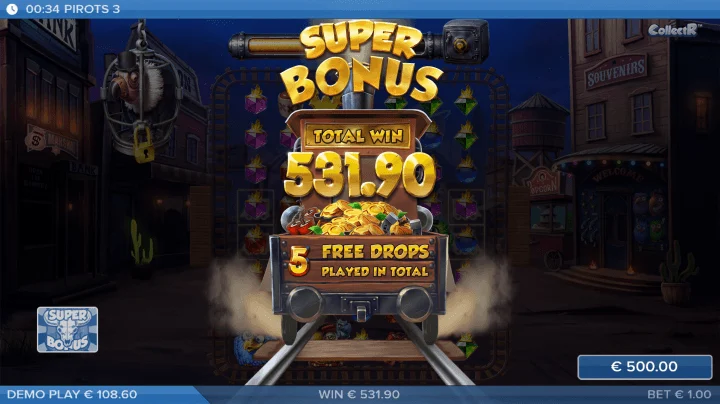
Pirots 3 Big Win Stories: How To Read Them
Big-hit stories are fun, but they can distort your expectations if you treat them like a preview of your session. Imagine you’re watching highlights from a sport and assuming your next casual game will look the same. You’ll be disappointed, and you’ll start forcing decisions to recreate the highlight.
The useful way to read these stories is to look for process, not outcome. Did the person mention a stake size that was comfortable for them? Did they say how long they played? Did they show any discipline, or was it pure adrenaline? Those details matter more than the screenshot itself.
Also remember: people share extremes. Quiet sessions rarely get posted. That means your feed is biased toward drama. If you forget that, you’ll think “everyone hits big except me,” which is a fast track to chasing.
If you still enjoy reading those stories (and you can), use them as motivation to set better boundaries. Treat the highlight as proof that excitement exists, then return to your plan: time cap, budget, and a clear stop.
Payments, Withdrawals, And Account Habits In Canada
The money layer is where players usually get stressed, not because it’s complicated, but because they handle it at the worst moment. Imagine you finish a tense session and immediately try to cash out while you’re still wired. That’s when you double-click, change settings mid-process, or start guessing instead of reading.
A cleaner approach is to separate play from money management. Do deposits and withdrawals when you’re calm, not mid-session. Keep your payment method choices consistent so your transaction history stays easy to follow.
In Canada, platforms commonly apply adult-only access and identity checks as part of operating within applicable rules. The practical takeaway is simple: use accurate details, avoid rapid changes, and keep your account consistent so you don’t create avoidable friction.
If you’re testing Pirots 3 for the first time, keep the early steps small and tidy. The goal is to confirm that you can deposit, play, stop, and track activity clearly. You don’t need to “optimize” anything during the first run.
Here’s a table you can use as a real-world checklist. It focuses on what prevents confusion, not on promises or hype.
Task | What You Check First | What Usually Causes Friction | A Calm Fix |
Before you deposit | Budget and time cap | Depositing impulsively | Decide the cap, then confirm once |
Choosing a method | Consistency with your account | Switching methods frequently | Keep one primary method |
After a transaction | Status in your history | Re-clicking during loading | Check once, then wait |
Preparing a cashout | Profile details and readiness | Missing steps done in a rush | Complete one step at a time |
Getting support help | Exact message and screen | Vague “it didn’t work” | Note what you did and what you saw |
Verification Steps Without Panic
Imagine you’re trying to complete an account check while you’re out and your phone keeps interrupting you. That’s when mistakes happen: wrong file, wrong field, half-finished steps. The easiest solution is boring: set aside five minutes at home, use one device, and finish the process in one clean pass.
Once it’s done, the rest of your sessions feel lighter. You stop worrying about surprise checks at the exact moment you want to move money or adjust settings.
Mobile Play, Support, And Staying Consistent
Mobile makes everything faster: restarts, decisions, and emotional swings. Imagine you’re on the couch, half-watching a show, and you keep spinning without thinking because it’s one thumb away. That convenience is great until it blurs the line between intentional play and autopilot.
In 2026, the best mobile habit is to add tiny brakes: a session reminder, a timer, and a personal rule that you don’t change stakes when you’re frustrated. If you do need help, contact support with a clear, factual message: where you were, what you did, and what you saw. That gets you useful answers faster than venting.
Finally, keep your account habits stable across devices. Use one main device where you do payments and settings, and treat the other as a play-only device if you want simplicity. Imagine you’re switching devices constantly and you forget where you changed a limit. Stability removes that confusion.
FAQ
How do I set a session limit before I play?
Pick a time cap and a session budget while you’re calm, then set a reminder or timer so the stop happens automatically. Imagine you start without limits and you keep saying “one more” because the rounds feel quick - your session stretches without you noticing. If you decide your cap first and treat it like a firm appointment, you can enjoy the game and still finish the session feeling in control.
What is the safest way to test a new game quickly?
Do a ten-minute test with a small, comfortable stake and focus on your behavior rather than the outcome. Imagine you’re playing on a short break and you just want to learn the rhythm - where controls are, how fast decisions happen, and whether you can stop on schedule. When the timer ends, stop even if you feel “close,” because that’s the real proof you’re playing intentionally.
Why do players get tempted to chase after a rough start?
Because fast outcomes create the feeling that the next round will “fix” the last one. Imagine you’re slightly annoyed, you lose a few rounds, and you instantly want to raise stakes to recover quickly. That reaction is emotional, not strategic, and it usually makes sessions more expensive and less enjoyable. A strong rule is simple: no stake increases after losses, and if frustration shows up, you end the session.
When should I avoid using feature entry options?
Avoid them when you’re impatient, tilted, or trying to force a mood change. Imagine you’re already stressed and you want excitement to flip your day - that’s when you’re most likely to repeat the choice and blow past your budget. Feature entry works best when it’s planned, occasional, and inside a session budget that can handle it comfortably, not as a reflex after a low result.
How can I keep mobile play from turning into autopilot?
Add small brakes that interrupt the loop: a timer, a session reminder, and a habit of checking your account screen briefly every few minutes. Imagine you’re scrolling and spinning while watching videos - you restart without thinking and the session drifts. A tiny pause brings you back to the present and helps you decide whether you’re still choosing to play or just continuing because it’s easy.
What should I do if a withdrawal looks stuck?
Submit one request, confirm it appears in your transaction history, and then wait for the status to change instead of repeating clicks. Imagine the screen lags and you press again - now you’re unsure what you actually submitted, and that uncertainty creates stress. If a specific step is requested, complete that one step and check the status later; if you still need help, message support with the exact screen and message text.
How do I write a support message that gets results?
Keep it factual and specific: where you were, what you did, what happened, and what message you saw. Imagine you write “it doesn’t work” - you’ll get generic troubleshooting and lose time. If you describe the exact path (for example, the screen you were on and the step you were confirming), support can respond with targeted steps, and you avoid a long back-and-forth.